
Living in History: First Trillionaire: Musk’s IPO History, SpaceX
Living in History: First Trillionaire: Musk’s IPO History & SpaceX In an era marked by rapid technological advancements and unprecedented wealth accumulation, the concept of a trillionaire has transitioned from science fiction to a tangible possibility. This article explores the journey of Elon Musk, a visionary entrepreneur, and delves into the factors that could propel […]
 Juan OlmedoJun 12, 202611 min read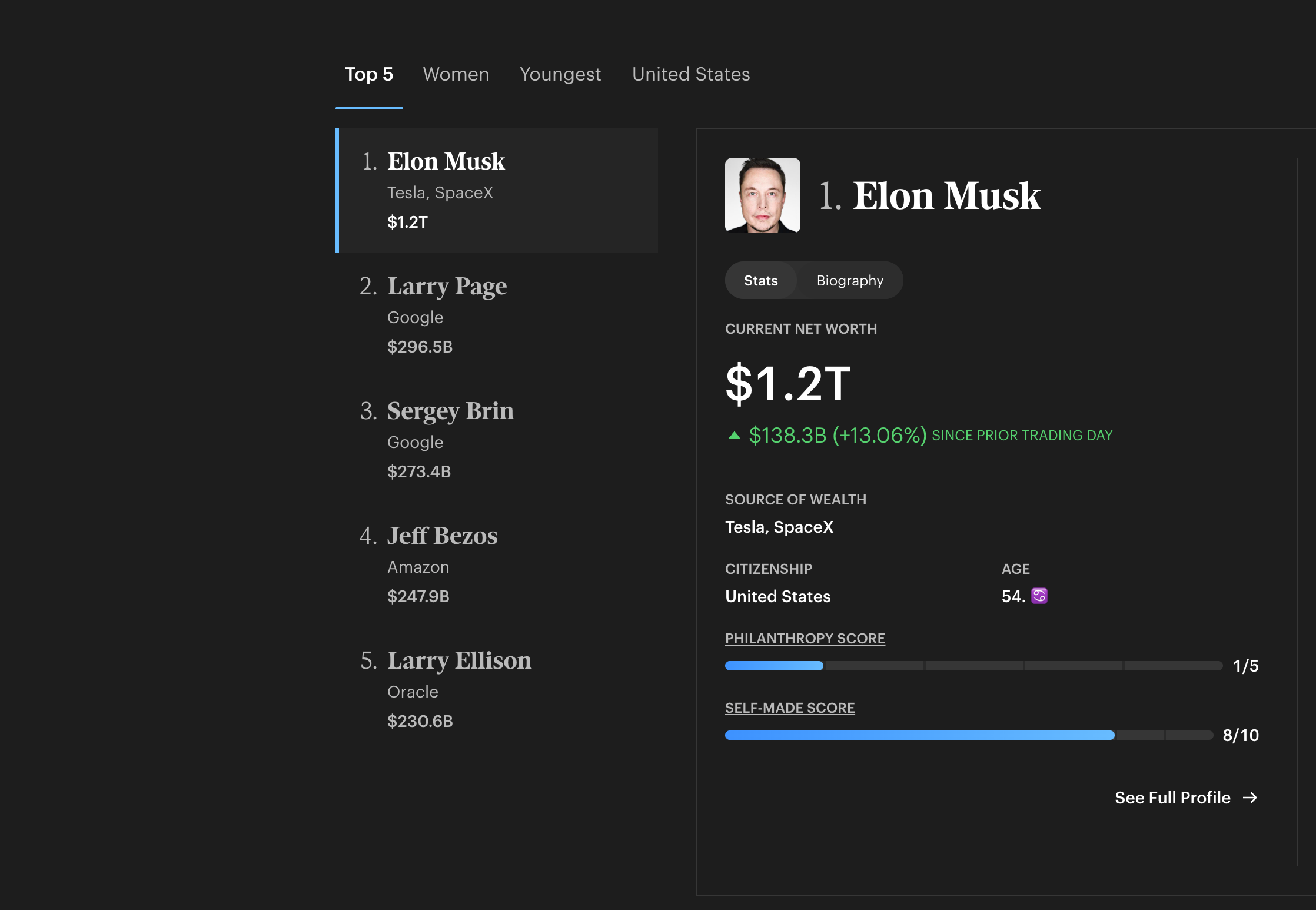
Living in History: First Trillionaire: Musk’s IPO History & SpaceX
In an era marked by rapid technological advancements and unprecedented wealth accumulation, the concept of a trillionaire has transitioned from science fiction to a tangible possibility. This article explores the journey of Elon Musk, a visionary entrepreneur, and delves into the factors that could propel him to become the world’s first trillionaire, with a particular focus on the potential initial public offering of SpaceX.
Introduction to the First Trillionaire
Who is Elon Musk?
Elon Musk, a name synonymous with innovation and ambition, stands as one of the most prominent figures in the modern tech sector. This billionaire entrepreneur is the driving force behind several groundbreaking companies, making him a subject of immense public and financial interest. His extraordinary vision consistently pushes the boundaries of what is considered achievable.
| Company | Primary Focus |
|---|---|
| Tesla | Revolutionizing electric vehicles |
| SpaceX | Transforming space exploration and internet connectivity (e.g., Starlink) |
The Journey to Becoming a Billionaire
Musk’s journey to becoming a billionaire is a testament to his relentless pursuit of ambitious goals and his ability to identify and capitalize on long-term market trends. His early success with Zip2 and PayPal laid the foundation for his later, more ambitious ventures. These initial successes provided the capital and experience necessary for him to launch into the aerospace and automotive industries, accumulating a significant fortune and demonstrating an entrepreneurial spirit that continues to define his career and influence his net worth.
Defining the Concept of a Trillionaire
The concept of a trillionaire, an individual with a net worth exceeding 1 trillion units of currency, represents an unprecedented level of wealth accumulation. While figures like John D. Rockefeller were considered the wealthiest people of their time, the scale of a trillion-dollar fortune is a landmark in human history.
| Potential Trillionaire | Predicted Timeline |
|---|---|
| Elon Musk | Potentially by 2025 |
Experts predict that the rise of artificial intelligence and advancements in various tech sectors could enable an entrepreneur to reach this extraordinary status, underscoring the growing disparity and inequality in global wealth.
Elon Musk’s IPO History
Key IPOs in Musk’s Career
Elon Musk’s entrepreneurial journey is punctuated by several significant initial public offerings that have profoundly shaped his wealth and influence. While not every venture under his guidance has gone public, certain IPOs have been monumental.
| Company | Impact |
|---|---|
| PayPal | Later acquired, contributed to his early wealth. |
| Tesla | Allowed public investment in his vision, dramatically increasing his net worth and solidifying his status as a leading tech figure. |
These IPOs paved the way for future ambitious projects and further wealth accumulation.
The Impact of IPOs on Wealth Accumulation
Initial public offerings serve as critical inflection points for wealth accumulation, especially for visionary entrepreneurs like Elon Musk. By taking a company public, Musk has been able to unlock immense capital, which in turn fuels further innovation and expansion. The valuation achieved during these IPOs directly contributes to his personal fortune, pushing him closer to potentially becoming the first trillionaire. This process allows early investors and founders to realize substantial gains, significantly impacting their overall net worth and market influence.
Comparing Musk’s IPOs to Other Billionaires
When comparing Elon Musk’s IPO trajectory to other billionaires, a distinct pattern emerges. While figures like Bill Gates built their fortune through Microsoft’s unprecedented growth following its initial public offering, Musk’s portfolio is characterized by a series of high-risk, high-reward ventures across diverse sectors, from electric vehicles with Tesla to aerospace with SpaceX. This multi-sector approach, driven by a series of successful launches and potential future IPOs, sets his wealth accumulation strategy apart, making his path to becoming the world’s first trillionaire particularly unique.
SpaceX and its Role in Wealth Creation
The Founding of SpaceX
SpaceX, founded by Elon Musk in 2002, emerged from his ambitious vision to revolutionize space exploration and make humanity a multi-planetary species. This entrepreneurial venture was born out of a desire to reduce the cost of space travel and enable long-term colonization of Mars. From its inception, SpaceX has been a testament to Musk’s relentless pursuit of extraordinary goals, contributing significantly to his burgeoning fortune and establishing the firm as a pivotal player in the aerospace sector.
Significant Milestones in SpaceX’s Journey
SpaceX’s journey has been marked by numerous significant milestones that underscore its technological prowess and ambitious mission. From becoming the first private company to launch, orbit, and recover a spacecraft, to successfully developing reusable rocket technology and deploying the Starlink satellite internet constellation, each achievement has propelled the firm’s valuation. These triumphs not only demonstrate the company’s innovative capabilities but also substantially contribute to Elon Musk’s net worth, making it a critical component of his potential path to becoming the world’s first trillionaire.
SpaceX’s Contribution to Musk’s Net Worth
SpaceX is widely regarded as a cornerstone of Elon Musk’s expanding fortune and a key factor in predictions of him becoming the first trillionaire. While the firm remains private, its extraordinary valuation in the private market directly impacts his net worth. Analysts estimate that a future initial public offering of SpaceX, particularly given the success of ventures like Starlink, could unleash an unprecedented wave of wealth, propelling Musk to trillionaire status and establishing him as one of the wealthiest people in history, perhaps as early as 2025.
The Path to Becoming the First Trillionaire
Predictions for the Next 30 Years
Over the next three decades, projections suggest that the global economic landscape will witness the rise of several first trillionaires, with Elon Musk frequently cited as a leading candidate. Advanced technologies, particularly in the AI and aerospace sectors, are expected to be the primary drivers of this unprecedented wealth accumulation. The continued expansion of companies like SpaceX and Tesla, alongside new ventures, could push Musk’s net worth to extraordinary levels, making him potentially the world’s first trillionaire well before 2050, solidifying his fortune.
Warnings from Experts about Wealth Concentration
Amidst predictions of individuals achieving trillionaire status, experts increasingly warn about the implications of such extreme wealth concentration. The potential for immense disparity and inequality to exacerbate societal issues is a significant concern. The accumulation of 1 trillion dollars by a single entrepreneur, even one as innovative as Elon Musk, could lead to calls for greater wealth redistribution and discussions on economic justice, as a few become extraordinarily wealthy while others struggle.
The Role of AI in Shaping Future Economies
Artificial intelligence is anticipated to play a transformative role in shaping future economies, potentially enabling the rise of the first trillionaires. AI’s capacity to revolutionize industries, automate processes, and generate unprecedented efficiencies will be a significant catalyst for wealth creation. Companies heavily invested in AI development, such as those founded by Elon Musk, stand to benefit immensely, with AI driving innovations that could elevate his net worth to the elusive trillion-dollar mark, making him the world’s first trillionaire.
Conclusion: The Legacy of Elon Musk
Assessing the Impact of Musk’s Innovations
Assessing the impact of Elon Musk’s innovations reveals a legacy that extends far beyond personal wealth accumulation, even as he approaches first trillionaire status. His ventures in electric vehicles with Tesla, space exploration with SpaceX, and internet connectivity with Starlink have fundamentally reshaped entire industries. These entrepreneurial endeavors have not only created immense fortune but have also inspired a generation to pursue ambitious, long-term goals, leaving an indelible mark on technology and society, regardless of his final net worth.
Future Trillionaires and Economic Predictions
Looking ahead, economic predictions suggest that Elon Musk may not be the only individual to achieve trillionaire status; a new class of future trillionaires is likely to emerge. The rapid pace of technological advancement, particularly in artificial intelligence and biotechnology, will create new opportunities for wealth creation on an unprecedented scale. While Musk may become the world’s first trillionaire, others will follow, further solidifying the trend of extreme wealth concentration among a select few in the global market.
Reflecting on the Definition of Success
Reflecting on the definition of success in the context of Elon Musk’s journey to potentially become the first trillionaire requires a holistic perspective. While his extraordinary net worth and the sheer scale of his fortune are undeniable indicators of financial success, his legacy also encompasses his contributions to innovation, sustainable energy, and humanity’s expansion into space. Ultimately, success for an entrepreneur like Musk is not solely measured in billions or even 1 trillion dollars, but in the enduring impact of his ambitious vision and ventures.
First Trillionaire in History with Historic IP – Impact on Small Business Entrepreneurs
When the world witnesses the emergence of the first trillionaire — an individual or entity whose wealth reaches one trillion dollars — backed by historic intellectual property (IP), the ripple effects across economies and entrepreneurial ecosystems will be profound. This article explores what historic IP means in this context, why a trillionaire status could be achieved through IP, and the direct and indirect impacts on small business entrepreneurs.
What is “Historic IP” and How It Creates Massive Value
“Historic IP” refers to intellectual property with deep, long-term cultural, technological, or institutional significance: foundational patents, universally adopted standards, legacy media franchises, or essential platform technologies. When such IP becomes central to global commerce — for example, a fundamental communication protocol, a platform-defining algorithm, or a media franchise with persistent global licensing — the owner can capture recurring revenue streams, licensing fees, and ecosystem control, enabling extraordinary accumulation of wealth.
Pathways to a Trillionaire via Historic IP
- Monopoly-style licensing: Charging platforms and industry players for essential tech or standards.
- Platform ecosystems: Owning a platform with network effects that generates persistent transaction fees and data value.
- Global media and cultural IP: Continuous monetization across generations via licensing, merchandising, and adaptation.
- Cross-sector leverage: Using IP to enter finance, infrastructure, and services, multiplying revenue channels.
Immediate Economic and Market Effects
The rise of a trillionaire through historic IP can alter market dynamics quickly:
- Concentration of bargaining power: IP owners can set terms for access, pricing, and interoperability.
- Capital market shifts: Investors may favor businesses tied to the IP owner, affecting valuations and funding availability.
- Regulatory attention: Antitrust scrutiny and calls for mandatory licensing or interoperability may increase.
Impact on Small Business Entrepreneurs
Small businesses will experience a mix of challenges and opportunities. Key impacts include:
Challenges
- Higher input costs: Licensing fees or platform fees can raise operational expenses for startups and small firms.
- Access barriers: If the IP controls essential infrastructure or distribution channels, small players might face restricted market access.
- Competitive imbalance: Large-scale promotional or subsidized services from the IP owner can outcompete small niche providers.
Opportunities
- New markets and products: Licensed IP can enable small businesses to build derivative products, services, or niche offerings.
- Partnership and supplier roles: SMEs can become specialized suppliers, integrators, or service providers within the IP owner’s ecosystem.
- Innovation incentives: Clear IP rules and paid licensing can fund R&D and create predictable revenue models for small entrepreneurs who innovate on top of the IP.
Strategic Responses for Small Business Entrepreneurs
Entrepreneurs can take several practical steps to navigate a landscape dominated by historic IP:
- Diversify dependencies: Avoid single-source reliance on any platform or IP owner; design multi-channel sales and multiple technical integrations.
- Negotiate smarter licensing: Pool resources with other small businesses to negotiate collective licensing terms or use federated approaches.
- Focus on differentiation: Invest in specialized niches, customer experience, or localized offerings that large IP holders cannot efficiently replicate.
- Leverage open standards and alternatives: Adopt open-source technologies and advocate for interoperable standards to reduce vendor lock-in.
- Monitor regulation and policy: Engage with industry groups to influence fair-competition policies and access to essential IP.
Policy and Ecosystem Considerations
Policymakers and ecosystem stakeholders will play a crucial role in shaping outcomes. Key considerations:
- Antitrust and competition law: Ensuring the IP owner does not abuse market dominance while preserving incentives for innovation.
- Mandatory or FRAND licensing frameworks: Fair, reasonable, and non-discriminatory terms can prevent exclusionary practices.
- Support programs for SMEs: Grants, legal aid, and access-to-market initiatives can help small businesses adapt and compete.
- IP pools and collective licensing: Structures that allow smaller players affordable access to essential technologies.
Long-term Outlook
The arrival of a first trillionaire through historic IP will reshape the business landscape but will not eliminate opportunities for small entrepreneurs. History shows that concentrated power often spurs new innovation, regulatory responses, and alternative ecosystems. Small businesses that stay agile, build complementary value, and engage in collective action can still thrive.