

 English





































































































































































Waymo’s Robotaxis Hit the Highways: Ushering in a New Era of Urban Mobility

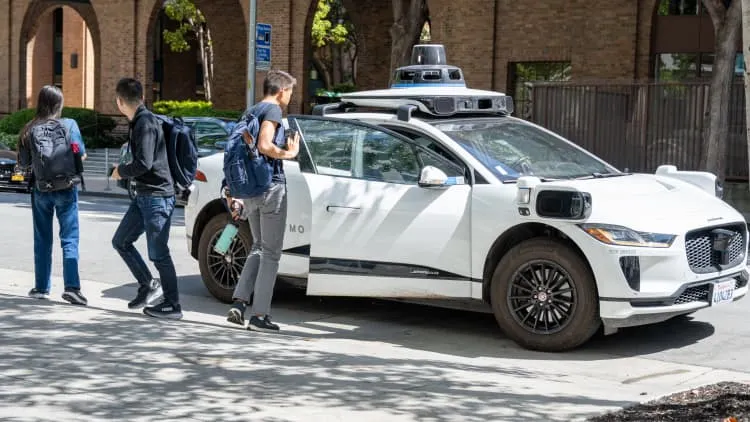
Waymo’s expansion of robotaxis to highways represents a game-changing leap for autonomous vehicles in the US. This development combines proven safety, rider convenience, and scalability to reshape city travel. Public enthusiasm grows as services prove reliable, signaling broader urban transformation ahead.
Highway Expansion Milestones
Waymo now offers freeway rides in Phoenix, Los Angeles, and San Francisco, with gradual rollout to more users and regions. The company targets 2026 launches in Austin, Atlanta, Miami, Dallas, Houston, Orlando, and San Antonio, starting with employee testing before public access. Fleet growth includes 2,000 additional Jaguar I-Pace and Zeekr vehicles, enabling up to 1 million weekly trips by year-end.
Why Riders Embrace It
Weekly trips already surpass hundreds of thousands, with Miami’s new 60-square-mile zone covering Wynwood and Brickell drawing waitlisted locals. Low incident rates and seamless app integration outpace human-driven options like Uber, building trust despite rare outages. Users value door-to-door efficiency for commutes, airports, and nightlife without parking hassles.
Fueling Urban Evolution
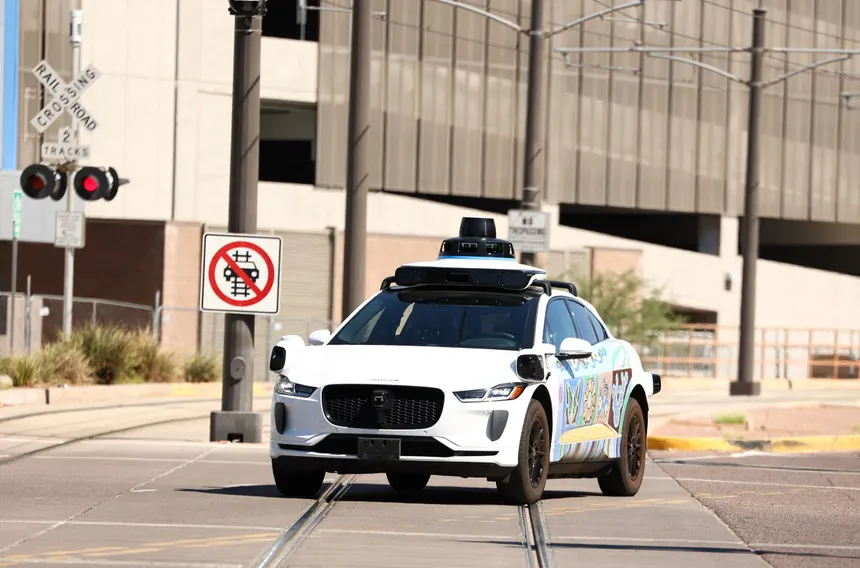
Highway access cuts cross-city times, easing congestion in sprawling metros like LA and Phoenix. Economic ripple effects include tech jobs, reduced car ownership, and boosts for transit-dependent areas. Sustainability gains emerge from electric fleets lowering emissions, supporting denser, greener city planning long-term.
Waymo’s highway push positions robotaxis as everyday infrastructure, not just a novelty. US cities stand to gain from safer, smarter streets—watch for rivals like Tesla to accelerate in response.