
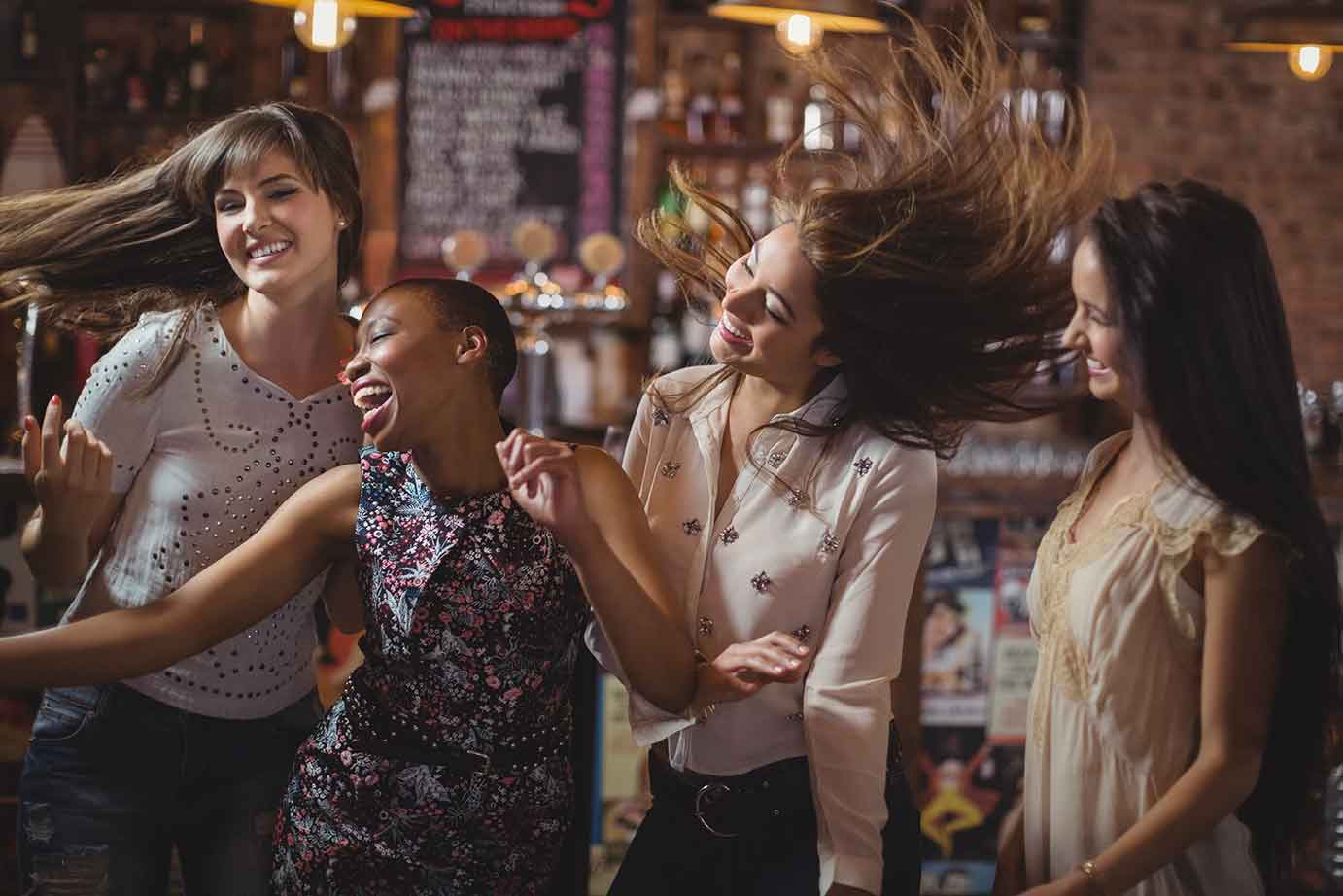
Gen Z is redefining how they socialize, showing a preference for daytime activities over traditional nightlife. This cultural shift is highlighted by the rise of “soft clubbing,” which focuses on:
- Wellness
- Intentional gatherings
- Experiences that don’t necessarily revolve around alcohol
This new kind of party marks a departure from the high-energy, late-night club culture.
Understanding Soft Clubbing
Definition and Origins
“Soft clubbing” is a nightlife trend where Gen Z embraces daytime dance parties and social gatherings, often in venues like coffee shops or cafes. These events provide an alternative to traditional nightclubs and prioritize mental health and wellness. “Soft clubbing” moves away from alcohol-centric environments, promoting sober curiosity and a desire for genuine connections. Roseli Ilano, a trends expert, notes that this movement reflects a deeper cultural shift towards more presence and intentional experiences.
How Soft Clubbing Differs from Traditional Nightlife
Traditional nightlife typically involves alcohol, loud music, and late hours, often leading to hangovers and a focus on excess. In contrast to traditional nightlife, soft clubbing presents a different approach:
| Feature | Traditional Nightlife | Soft Clubbing |
|---|---|---|
| Focus | Excess | Well-being |
| Environment | Alcohol-focused | Alcohol-free |
Gen Z is drinking less and seeking alternatives that align with their values of health, mindfulness, and authentic self-expression, often sharing their experiences on Instagram. The shift highlights a move away from the potential risks and drawbacks associated with traditional nightlife.
The Rise of Afternoon Events and Coffee Raves
Here’s how Gen Z is redefining the party scene with alcohol-free events. These daytime gatherings offer a unique experience, allowing participants to:
- Dance to energetic music provided by DJs on the dance floor at these new events.
- Socialize in a vibrant and engaging environment.
- Embrace a healthy lifestyle.
Creating a Welcoming Vibe for Partiers
Coffee shops are increasingly becoming the go-to venues for Gen Z seeking social experiences that align with their values. Unlike the often chaotic atmosphere of a nightclub, coffee shops offer a more relaxed and inclusive setting. Gen Z prioritizes wellness and mental health, making coffee shops a natural choice for daytime gatherings. This cultural shift reflects a desire for spaces where they can connect without the pressures and excesses associated with traditional nightlife.

Curating Unique Experiences in Coffee Venues
Coffee shops are evolving beyond just being places for a caffeine fix. Many now curate unique experiences that cater to Gen Z’s desire for intentional and engaging activities. These can range from hosting local DJs for ‘soft clubbing’ events to organizing themed gatherings that encourage creativity and self-expression. Coffee clubbing events often feature dance music and a vibrant atmosphere, providing an alternative to the high-energy environment of traditional nightclubs.
Economic Benefits of Coffee Culture over Nightclubs
The economic advantages of choosing coffee culture over nightclubs are substantial for Gen Z. The rising costs of clubbing, including expensive drinks and cover charges, make it less appealing to young people. Coffee shops, on the other hand, offer affordable options, allowing Gen Z to socialize without breaking the bank. This cost-effectiveness, combined with the desire for more meaningful connections, further drives the trend toward coffee-centric social activities.
Health and Wellness Trends Among Gen Z
The Impact of Sober Curiosity on Social Choices
Sober curiosity is significantly influencing Gen Z’s social choices, leading them to redefine their relationship with alcohol. This trend is highlighted by the increasing popularity of alcohol-free events and the preference for venues that don’t revolve around drinking. Gen Z is choosing daytime events, like coffee raves and Daybreaker gatherings, over traditional nightlife, seeking social experiences that align with their wellness goals. They embrace a lifestyle that emphasizes health and mindfulness.
Prioritizing Mental Well-Being in Leisure Activities
Mental health is a top priority for Gen Z, influencing their leisure activities and social habits. The shift towards soft clubbing and daytime events in coffee shops reflects a conscious effort to avoid the negative impacts associated with traditional nightlife, such as hangovers and sleep deprivation. These coffee clubbing gatherings promote a more balanced lifestyle, allowing Gen Z to socialize and have fun without compromising their mental well-being. “Soft clubbing” moves away from the potential risks and drawbacks associated with traditional nightlife.
Reducing Risks Associated with Nightlife Drinking
Gen Z is increasingly aware of the risks associated with alcohol consumption, which is driving them away from traditional nightlife, paving the groundwork for a new kind of social experience. By opting for alcohol-free environments like coffee shops and daytime dance parties, they are actively reducing their exposure to potential harm. This trend aligns with the values of health, wellness, and mindful living. “Soft clubbing” offers a safer and more sustainable way for Gen Z to socialize and enjoy themselves, contributing to a positive cultural shift.
Challenges and Critiques of the Shift
Limiting Exposure to High-Energy Nightlife
One potential downside of the “soft clubbing” trend is that it may limit exposure to the high-energy nightlife experiences traditionally associated with club culture. While Gen Z increasingly favors daytime events and coffee clubbing, they might miss out on spontaneous social interactions that often occur in nightclubs. This shift could reduce opportunities for diverse social experiences. The rise of sober curiosity and wellness-focused gatherings might unintentionally create a more curated, less serendipitous social scene, as seen in Eventbrite data reveals.
The Aesthetic Focus and Its Implications
The aesthetic focus of many Gen Z gatherings, including “soft clubbing” events, also comes with its own set of implications. The emphasis on curated experiences and Instagram-worthy moments can sometimes overshadow the genuine intention and authenticity of interactions. This focus on visuals might lead to prioritizing image over substance, potentially diminishing the true essence of social connections. The rise of wellness-focused events and the decline of alcohol in social settings may be accompanied by an increased pressure to present a perfect, curated self.
Convenience and Community: A Balancing Act
While convenience-driven trends like mobile ordering and online event discovery through platforms like Eventbrite enhance accessibility, they could diminish the traditional community vibes found in local coffee shops and other venues. The ease of finding and attending curated events may reduce the organic interactions and community-building aspects of social gatherings. Striking a balance between the convenience of modern technology and the value of in-person connections is crucial to ensuring that “soft clubbing” retains its focus on genuine community and belonging.
Future Trends in Daytime Socializing
Potential for Growth in Soft Clubbing Events
The future of “soft clubbing” and daytime social gatherings appears promising, with substantial potential for growth. As Gen Z continues to prioritize wellness and mental health, the demand for alcohol-free environments and intentional experiences will likely increase. This trend could lead to a surge in coffee clubbing events, morning dance parties, and other innovative daytime social activities that cater to the values and preferences of Gen Z. The rise of sober curiosity is also anticipated to fuel this growth.
How Organizers are Adapting to Gen Z Preferences
Event organizers are adapting to Gen Z preferences by curating unique experiences that go beyond traditional nightlife. They are creating alcohol-free events, like cold plunge mornings, disco tub dance parties and offering diverse programming that includes wellness activities, dance music, and opportunities for self-expression. The increasing popularity of coffee clubbing events and the rise of sober curiosity are driving organizers to rethink their approach and create gatherings that align with Gen Z’s values.
Envisioning the Future of Club Culture
The future of club culture may evolve into something quite different from traditional nightlife as Gen Z’s influence grows. The shift towards soft clubbing and daytime events signals a broader cultural shift towards more mindful and intentional socializing. Instead of late-night, alcohol-fueled parties, the focus may shift towards daytime dance parties, wellness-focused gatherings, and experiences that prioritize mental health and genuine connection. Roseli Ilano believes “Soft clubbing” venues may become the norm as younger generations embrace a lifestyle that emphasizes balance and well-being.